
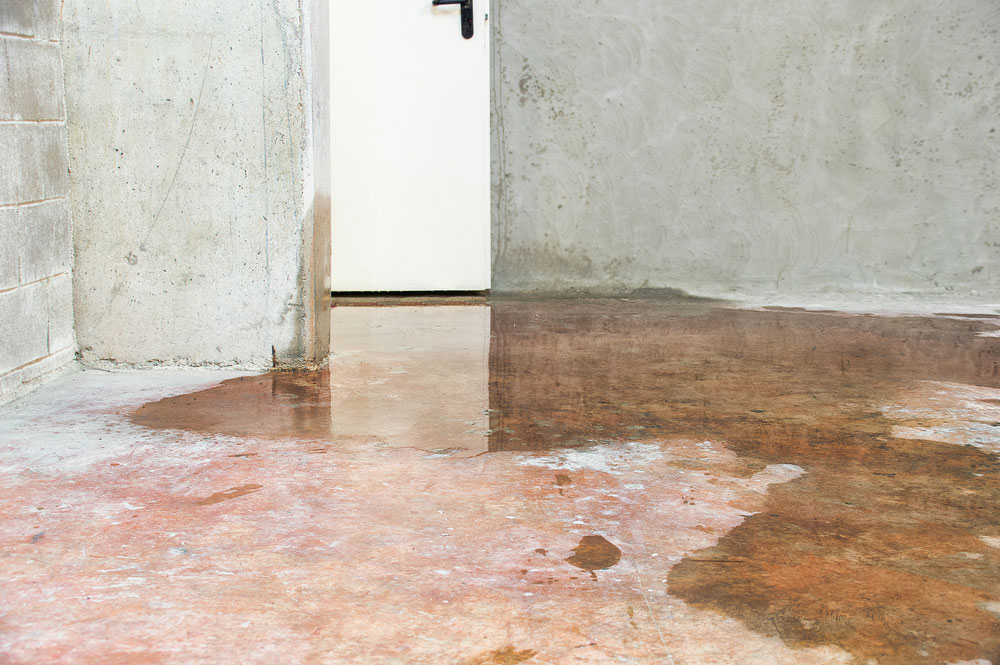
Water intrusion in a basement is often dismissed as a minor nuisance, but persistent dampness eventually degrades the very materials that support your home. When moisture remains trapped against or within your foundation, it initiates a mechanical breakdown that can lead to catastrophic failure.
Recognizing the specific threshold where cosmetic damage turns into a structural crisis is vital for every homeowner. Addressing these indicators early preserves the skeletal integrity of your property and prevents the need for incredibly invasive and expensive reconstruction projects.
Identification of Hydrostatic Pressure and Bowing Walls
When the soil surrounding your home becomes oversaturated, the weight of the water creates immense lateral pressure against the exterior of your foundation. Over time, this force can exceed the load-bearing capacity of the masonry, causing the walls to curve inward or “bow” toward the center of the basement.
- Use a long level or a plumb line to check if your foundation walls are perfectly vertical.
- Look for horizontal cracks appearing in the mid-section of the wall, which is the primary sign of inward movement.
- Check if the top of the wall has physically shifted away from the wooden sill plate.
A wall that has lost its vertical alignment is a major structural red flag that indicates the foundation can no longer safely support the weight of the house above.
Corrosion of Internal Steel Reinforcement
Most modern concrete foundations contain steel rebar or mesh designed to provide tensile strength against shifting ground. When water penetrates deep into the concrete through cracks, it causes the internal steel to rust, expand, and blow the concrete apart from the inside.
- Look for rust-colored stains or “bleeding” coming from cracks in the concrete slab or walls.
- Identify areas where the concrete is “spalling,” which means the surface is flaking off to reveal rusted metal underneath.
- Tap on the concrete with a hammer; a hollow or “drummy” sound suggests the bond between the steel and concrete has failed.
The loss of internal reinforcement means the concrete has lost its “muscle,” making it brittle and prone to sudden collapse under heavy loads.
Foundation Settlement and Soil Erosion
Persistent leaks often mean that water is traveling underneath your foundation, slowly washing away the compacted soil that holds the house up. This erosion leads to uneven settlement, where parts of the house sink faster than others, causing massive stress fractures throughout the entire building.
- Watch for large diagonal cracks that start at the corners of the basement and move upward.
- Check for “daylight” visible through gaps where the floor meets the wall, suggesting the floor is sinking.
- Monitor doors and windows on the upper floors of the home to see if they are suddenly sticking or becoming difficult to latch.
If the ground beneath your home is no longer solid, the structural stability of the entire residence is compromised regardless of how strong the walls are.
Rotting of Main Support Beams and Joists
In many homes, the main structural beams and floor joists are made of wood and sit directly on top of the foundation or within “pockets” in the wall. Constant high humidity or direct water contact causes these wooden members to rot, significantly weakening the floor system and creating a “spongy” feel in the rooms above.
- Use a screwdriver to gently probe the wood where it meets the foundation; if it sinks in easily, the wood is decaying.
- Look for “fungal blooms” or white, fuzzy growth on the underside of the floor joists.
- Identify sagging in the center of the basement where the main support posts meet the floor.
Structural wood rot is a silent threat that can lead to partial floor collapses if the load-bearing members are not replaced or reinforced.
Deterioration of Mortar and Masonry Units
Older homes built with brick, stone, or cinder block rely on mortar to keep the units bonded together into a single, strong unit. Constant exposure to groundwater can dissolve the lime in older mortar, causing it to turn back into sand and allowing the individual blocks to shift or crumble.
- Check if you can easily scrape away the mortar between the bricks with a fingernail or a key.
- Look for “efflorescence,” which is a white salt buildup that signals the minerals are being leached out of the masonry.
- Identify blocks that appear to be “pushed in” further than the surrounding units in the wall.
Once the bond between masonry units is broken, the wall loses its ability to distribute weight evenly, leading to localized structural failures.
Ensure the Permanent Stability of Your Residence
Prioritizing foundation repairs at the first sign of structural distress is the only way to guarantee the long-term safety of your home. By neutralizing the threats of soil erosion and masonry decay, you effectively stop the clock on structural aging.
The peace of mind that comes with a stabilized foundation allows you to enjoy your home without the fear of shifting floors or cracking walls. Your property is your most valuable asset, and maintaining its structural health is the most important investment you can make for your family’s future.