
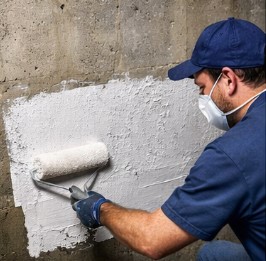
A dry basement is essential for maintaining the structural integrity and overall value of your home. When moisture begins to bypass your foundation, it initiates a slow process of decay that can compromise your living environment and lead to costly structural failures.
Identifying the subtle cues of water intrusion early allows you to address the root cause before a minor damp spot turns into a major flood. Staying vigilant regarding these red flags ensures your home remains a safe, stable, and healthy sanctuary for your family.
Identify Persistent Musty Odors and High Humidity
One of the first indicators that your basement needs attention is a heavy, damp scent that lingers even when the windows are open. This “basement smell” is actually the off-gassing of mold and mildew thriving in unventilated, moisture-rich environments.
- Pay close attention to a signature earthy or sour odor that clings to fabrics and cardboard boxes stored in the area.
- Use a hygrometer to check if the relative humidity consistently stays above sixty percent, which is the prime growth zone for fungi.
- Feel for a “heavy” or clammy sensation in the air that suggests high levels of suspended water vapor.
If the air in your lower level feels significantly different than the rest of the house, it is a clear sign that moisture is migrating through the slab or walls.
Look for Efflorescence and Wall Staining
Concrete and masonry are porous materials that allow water to travel through them via capillary action. As the water evaporates on the interior surface, it leaves behind a white, powdery mineral deposit known as efflorescence.
- Search for chalky white streaks or patches that resemble dried salt on the surface of brick or concrete blocks.
- Identify dark, tea-colored stains or “water lines” that move upward from the base of the wall.
- Watch for peeling paint or bubbling wallpaper, which indicates that moisture is trapped behind the surface finish.
These mineral deposits are the physical footprints of water transit and serve as definitive proof that your exterior seal has been breached.
Check for Foundation Cracks and Seepage
While small hairline fractures are common as a home settles, larger cracks can become direct highways for groundwater under hydrostatic pressure. You should be particularly concerned if you see water actively “weeping” from a crack during or after a heavy rainstorm.
- Inspect for horizontal cracks in the mid-section of the wall, which suggest the exterior soil is pushing hard against the foundation.
- Monitor “stair-step” cracks in the mortar joints of cinder block walls for signs of widening or shifting.
- Look for dampness specifically at the “cove joint,” which is the seam where the floor meets the wall.
Any visible gap that allows liquid water to enter the home is a structural vulnerability that requires a permanent waterproofing solution.
Monitor for Mold Growth and Wood Rot
Mold can grow on almost any organic surface in a damp basement, including drywall, wooden studs, and even dust. If you see black, green, or white fuzzy spotting on your baseboards or joists, the moisture levels in your foundation have reached a critical point.
- Use a flashlight to inspect the dark spaces behind appliances or inside wall-mounted cabinets for fungal blooms.
- Probe the wooden sill plates and floor joists with a screwdriver to check for “spongy” textures or decay.
- Check the bottom of wooden furniture legs for discoloration or a fuzzy texture.
Biological growth is more than just a cleaning issue; it is a direct result of a failed moisture barrier that can impact your indoor air quality.
Observe Exterior Drainage and Standing Water
Sometimes the signs that your basement needs help are found on the outside of your home. If water is pooling against your foundation because of poor grading or clogged gutters, it is only a matter of time before that water finds its way inside.
- Check for “ponding” or puddles in your flower beds that remain for hours after a storm has passed.
- Identify areas where the soil has eroded or sunk, creating a “negative grade” that directs runoff toward the house.
- Look for signs that your window wells are filling with water or debris, which can lead to window seal failure.
Managing surface water is a vital component of a comprehensive waterproofing strategy that protects your home from the outside in.
Secure the Structural Future of Your Home
Recognizing the signs of moisture intrusion today is the most effective way to protect your property’s long-term market value. By neutralizing the threats of hydrostatic pressure and vapor transit, you effectively stop the clock on foundation aging and structural decay.
The peace of mind that comes with a certified dry basement allows you to utilize every square foot of your home with total confidence. Your residence is your most significant investment, and proactive waterproofing is the key to ensuring it remains a durable and comfortable asset for generations.