
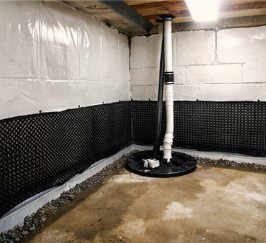
Foundation water damage often begins as a silent process, hidden behind finished walls or beneath the soil line of your home. Recognizing these early indicators is crucial because moisture consistently undermines the structural integrity of concrete and masonry over time.
By catching water intrusion in its infancy, you can implement simple drainage solutions before the damage necessitates a massive structural overhaul. Maintaining a vigilant eye on your home’s lowest level ensures that your primary investment remains dry, stable, and safe for your family.
Identify Efflorescence and White Powdery Residue
Efflorescence is one of the most reliable early indicators that water is migrating through your foundation walls. This white, sparkling, or powdery substance consists of salt deposits left behind after moisture evaporates from the surface of the concrete or brick.
- Check for “chalky” streaks along the base of the basement walls or near the floor-wall joint.
- Brush the substance with your finger; if it crumbles into a fine dust, it is likely mineral salt and not mold.
- Look for these patches specifically in areas where the exterior soil stays saturated after a rainstorm.
While efflorescence itself is not hazardous, its presence proves that your exterior waterproofing barrier is allowing water to travel entirely through the porous masonry.
Detect Persistent Musty Odors and High Humidity
Your nose is often a better diagnostic tool than your eyes when it comes to detecting hidden moisture. A distinct, earthy, or sour “basement smell” is a chemical byproduct of mold and bacteria thriving in a damp subterranean environment.
- Pay attention to a heavy or “clammy” sensation in the air that suggests the relative humidity is exceeding 60%.
- Sniff near wooden studs, baseboards, and stored cardboard boxes, which act as sponges for airborne moisture.
- Note if the odor intensifies during the spring thaw or after a significant thunderstorm.
Persistent dampness in the air indicates that water vapor is constantly entering the home, even if you cannot see a physical puddle on the floor.
Look for Peeling Paint and Bubbling Wall Finishes
If your basement is finished with drywall or paint, water damage will often manifest as a failure of the surface materials. Moisture trapped between the foundation wall and the interior finish creates pressure that forces the paint to lose its bond and pull away.
- Watch for “alligatoring” or cracking patterns in the paint near the bottom of the walls.
- Feel for soft spots in the drywall or baseboards that suggest the wood or paper is absorbing water.
- Identify localized “bubbles” in the paint that contain small amounts of liquid or grit.
Surface damage is a clear sign that water is trapped within the wall assembly, providing a perfect breeding ground for hidden mold colonies.
Search for Fine Hairline Cracks and Seepage
Small fractures in the foundation are common as a home settles, but they become a priority when they start to show signs of moisture. Even a crack as thin as a thread can act as a direct conduit for groundwater when the soil outside becomes pressurized.
- Use a flashlight to inspect the corners of the basement and the areas around utility penetrations for damp streaks.
- Monitor existing cracks to see if the edges are turning dark or “weeping” during a heavy downpour.
- Identify “cove joint” seepage, where water pushes through the seam where the floor meets the wall.
Addressing these small openings early with professional sealants prevents them from widening into major structural vulnerabilities during the next freeze-thaw cycle.
Observe Changes in Exterior Grading and Drainage
Sometimes, the earliest signs of foundation trouble are found on the outside of the house rather than the inside. If the soil around your perimeter is no longer sloping away from the walls, water will pool and exert immense hydrostatic pressure against the foundation.
- Look for “sinkholes” or depressions in the mulch or dirt directly next to the concrete.
- Check for “ponding” or standing water in flower beds that remains for hours after the rain stops.
- Identify areas where the grass or moss is unusually lush only along the foundation line.
Correcting these exterior drainage issues immediately reduces the “water load” that your foundation has to withstand, extending the life of your waterproofing system.
Secure the Long-Term Stability of Your Foundation
Taking a proactive stance against foundation water damage is the most effective way to preserve your home’s market value and structural legacy. By neutralizing moisture threats at the first sign of trouble, you eliminate the risk of wood rot and masonry decay before they can take root.
The peace of mind that comes with a dry, healthy basement allows you to enjoy every square foot of your property with total confidence. Your home is a significant asset, and a vigilant approach to maintenance is the best way to ensure it remains a safe and stable sanctuary for generations.