
Maintaining a dry basement is a fundamental part of homeownership, but many moisture issues extend far beyond the capabilities of a simple hardware store fix. While minor condensation can sometimes be managed with a dehumidifier, significant water intrusion often signals a mechanical failure in your foundation’s defense system.
Recognizing the specific moment when a DIY approach is no longer sufficient can save you thousands of dollars in secondary structural damage. Professional intervention ensures that the root cause of the moisture is neutralized, rather than just masking the symptoms with temporary sealants.
Addressing Structural Cracks and Bowing Walls
When foundation cracks exceed a hairline width or begin to move horizontally, they are no longer just cosmetic concerns but indicators of extreme soil pressure. Professional waterproofers use structural reinforcement techniques that stabilize the wall while simultaneously sealing it against pressurized groundwater.
- Identify horizontal cracks in the mid-section of the wall, which suggest that the exterior earth is pushing inward.
- Watch for “stair-step” fractures in masonry blocks that indicate the foundation is settling unevenly.
- Look for daylight visible through the foundation or gaps where the wall has pulled away from the wooden sill plate.
Attempting to patch a structural crack with standard caulk will only result in the material popping out as the foundation continues to shift and flex.
Managing High Hydrostatic Pressure and Seepage
If water is actively “weeping” through your concrete or bubbling up through floor cracks during a rainstorm, your home is likely under intense hydrostatic pressure. Professional help is necessary to install sub-floor drainage systems that act as a pressure relief valve, redirecting the water before it can flood your interior.
- Check for consistent leaks at the “cove joint,” which is the seam where the basement floor meets the foundation wall.
- Monitor for water that enters through the floor, suggesting that the water table beneath your home has risen.
- Identify large damp patches on the floor that never fully dry, even during periods of low humidity.
Only an engineered drainage solution can effectively lower the water table around your home to prevent the physical “squeezing” of moisture through the concrete.
Resolving Persistent Mold and Air Quality Issues
Mold growth is a biological emergency that often stems from hidden water leaks behind finished walls or under flooring. Professional waterproofing includes moisture mapping and antimicrobial treatments to ensure that the air your family breathes remains free of toxic spores and musty odors.
- Investigate “fuzzy” white, green, or black growth on wooden studs, baseboards, or stored cardboard boxes.
- Address a heavy, earthy scent that persists despite the use of air fresheners or localized cleaning.
- Look for “efflorescence,” a white powdery salt deposit that indicates water is migrating through the masonry.
Professional remediation and waterproofing work in tandem to eliminate the damp environment that mold needs to survive and spread.
Upgrading Inadequate or Failed Sump Pump Systems
A sump pump is the mechanical heart of a waterproofed basement, and its failure during a storm can lead to catastrophic flooding in minutes. Experts can install high-capacity, industrial-grade pumps with redundant battery backups that keep your basement dry even during a total power outage.
- Replace pumps that make unusual grinding noises or fail to activate when the water level rises in the pit.
- Upgrade to a dual-pump system if your current single pump is struggling to keep up with heavy rainfall.
- Install a dedicated discharge line that moves water at least ten feet away from the home to prevent recycling.
Relying on an aged or undersized pump is a significant risk that professional technicians can eliminate with modern, monitored hardware.
Correcting Exterior Grading and Drainage Failures
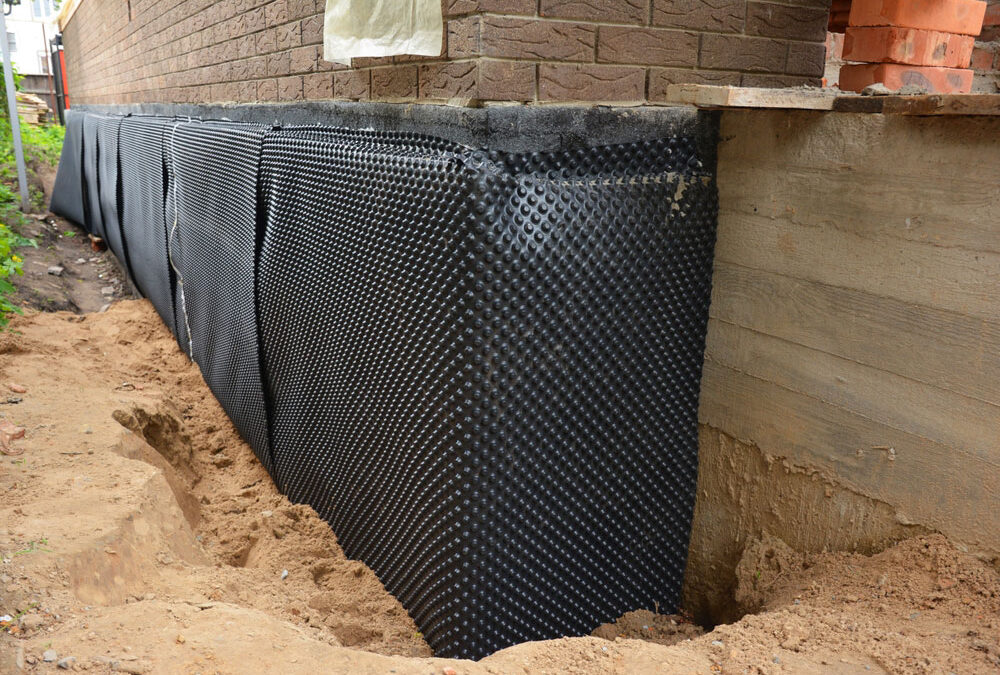
Sometimes the problem starts on the outside, where poor soil sloping or collapsed underground pipes direct thousands of gallons of water toward your foundation. Professional contractors have the heavy equipment necessary to regrade your landscape and install deep exterior drainage membranes that a homeowner cannot achieve manually.
- Identify “ponding” or standing water in your flower beds that lasts for hours after a storm.
- Check for “sinkholes” or depressions along the foundation where the soil has been washed away by roof runoff.
- Verify that downspout extensions are integrated into a buried bubbler system to move water safely to the street.
Managing the volume of water on the outside of the home is the first and most important line of defense for any subterranean space.
Ensure the Permanent Stability of Your Foundation
Choosing professional waterproofing is a strategic investment that preserves the market value and structural legacy of your property. By neutralizing the threats of water and soil pressure, you effectively stop the aging process of your home’s most critical component.
The peace of mind that comes with a certified dry basement allows you to invest in your home’s interior with total confidence. Your property is a significant asset, and professional maintenance is the most reliable way to ensure it remains a safe and stable sanctuary for generations.